


Established
in 2002
Offering the highest level of women’s care in Adelaide for over 18 years.

Highly trained
& knowledgeable
Our team are experienced & equipped to deal with all facets of women’s health.

Friendly &
caring
We guarantee you will always feel comfortable & at ease with our friendly doctors & staff.

Using the latest
in technology
Advanced, minimally invasive techniques including the DaVinci Robot.
Meet Our Doctors















About AGSC
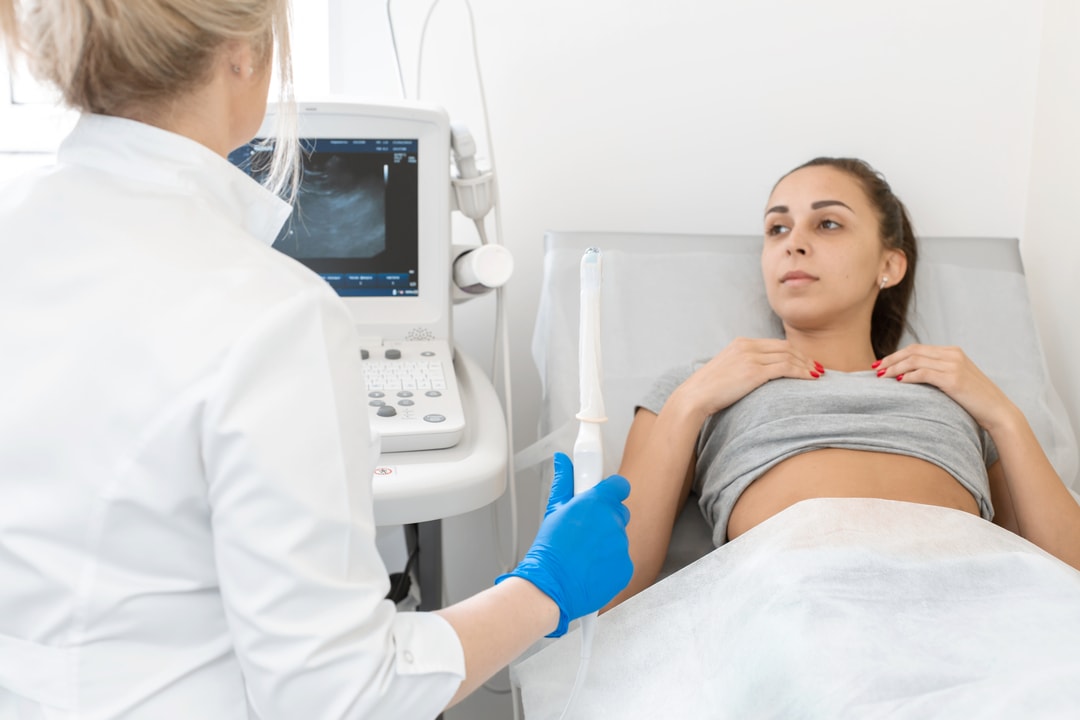
Advanced Gynaecological Surgery Centre boasts four Gynaecological Surgeons trained in all aspects of gynaecological care including treatment of infertility, vaginal prolapse, heavy periods, urinary incontinence and tubal surgery sterilisation.
Using the latest technology in “key hole” (laparoscopic surgery), including Robot-assisted surgery where applicable, we offer women the benefits of having minimal post-operative pain, early discharge home and avoidance of large abdominal wounds.
Our practise is located in Kent Town. Our comfortable, well-equipped setting provides an environment suited to dealing with gynaecological conditions.
Our Affiliations